TEHSC Computer Controlled Unit to Study the Efficiency of a Heating System

COMPUTER CONTROLLED UNIT TO STUDY THE EFFICIENCY OF A HEATING SYSTEM - TEHSC

Unit: TEHSC. Computer Controlled Unit to Study the Efficiency of a Heating System

COMPUTER CONTROLLED UNIT TO STUDY THE EFFICIENCY OF A HEATING SYSTEM - TEHSC

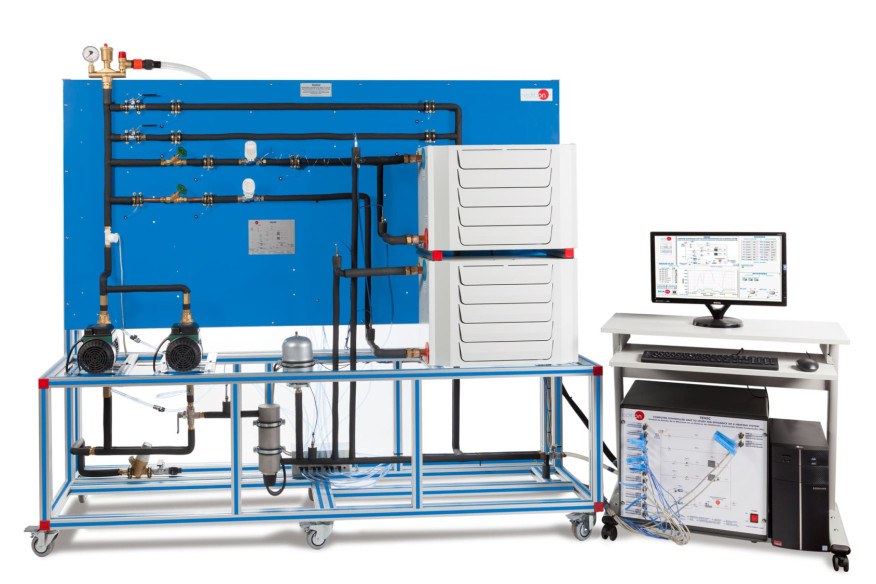
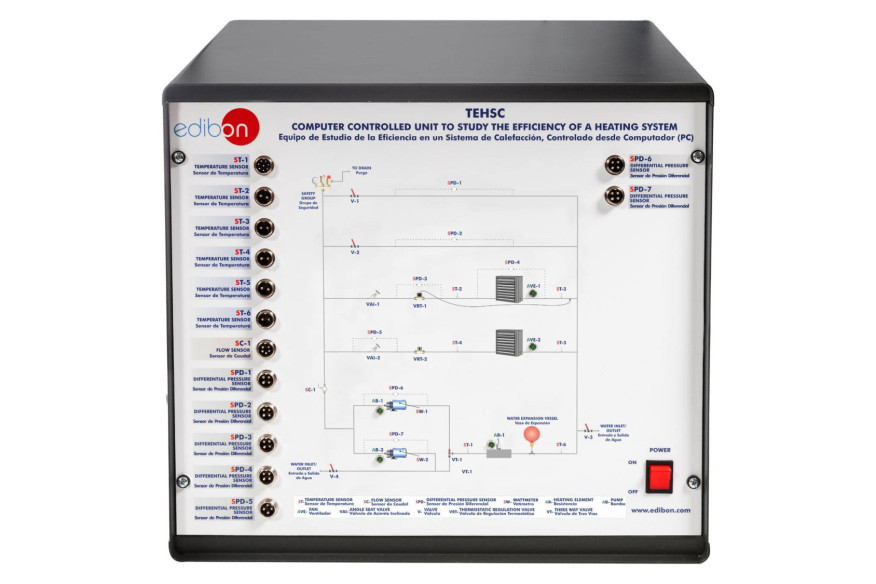
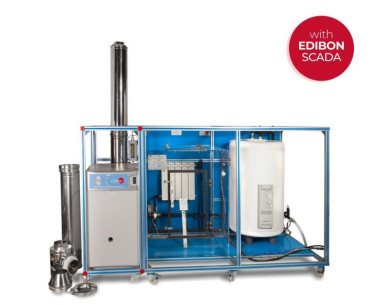
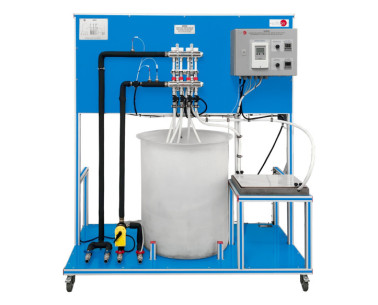
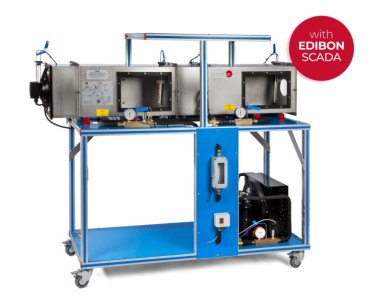
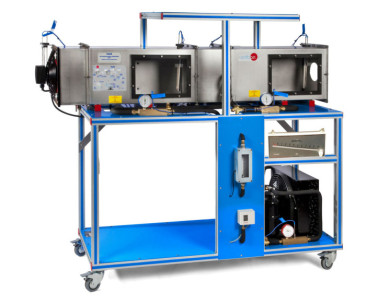
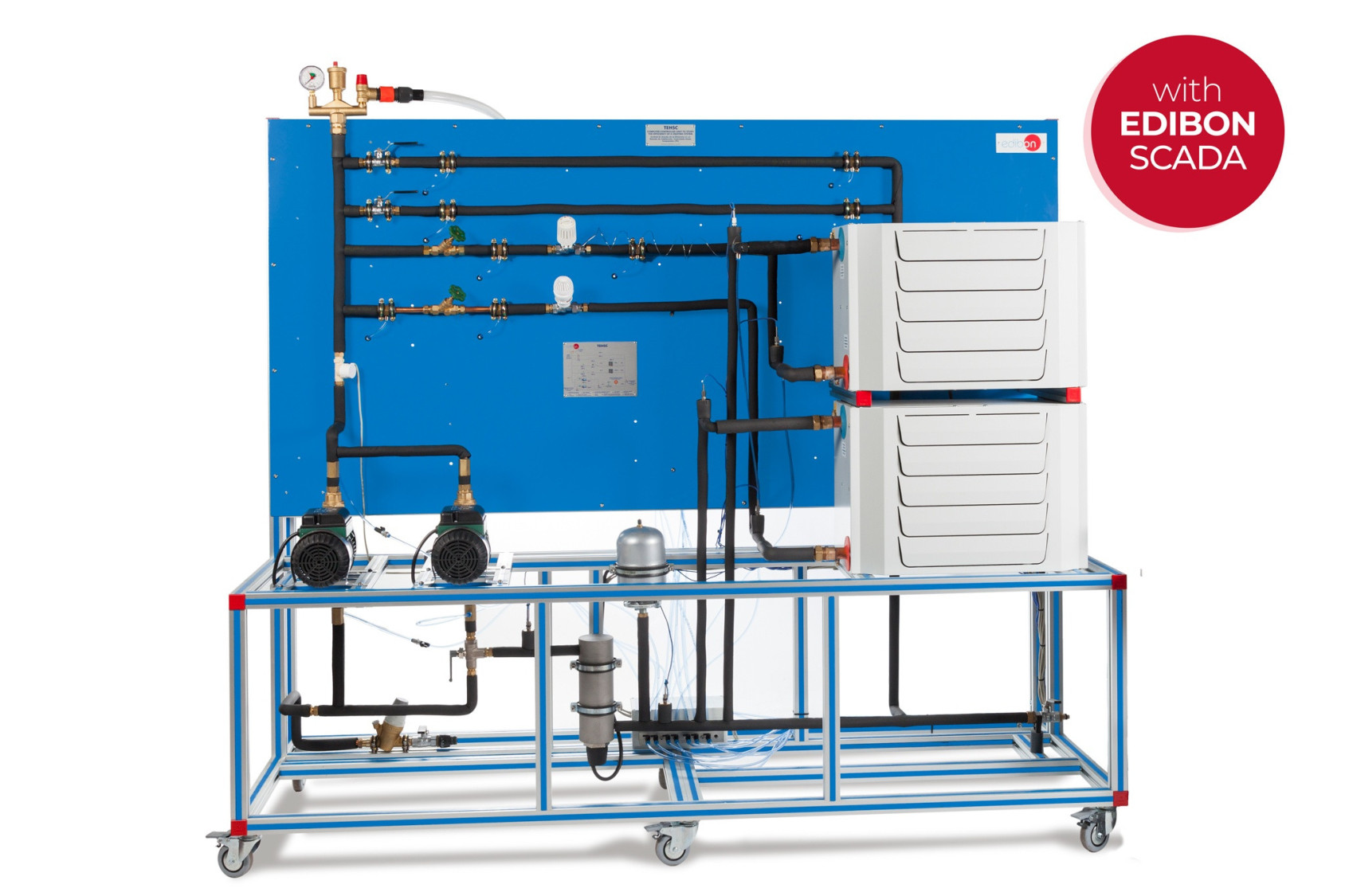
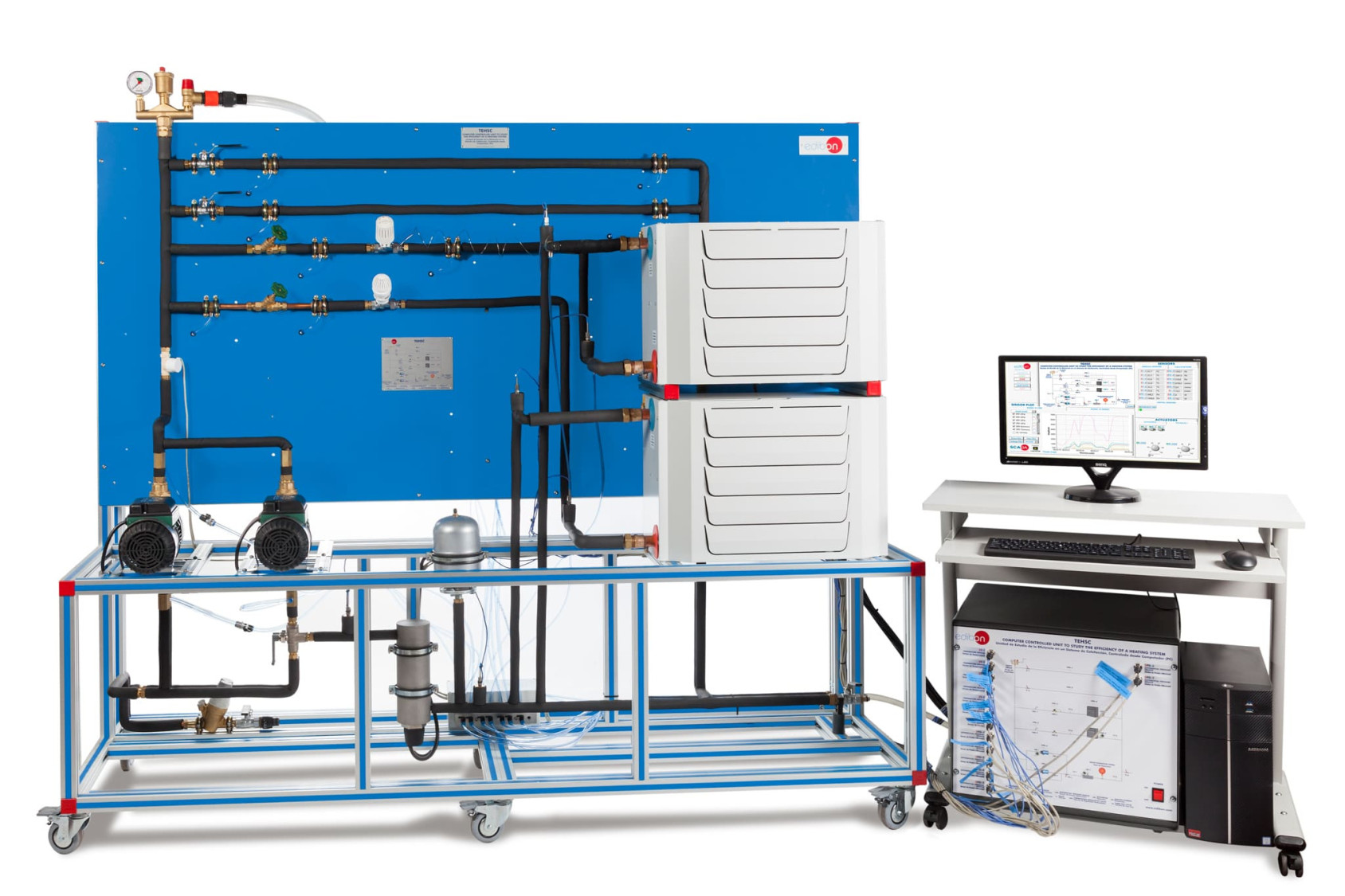
Complete TEHSC unit

COMPUTER CONTROLLED UNIT TO STUDY THE EFFICIENCY OF A HEATING SYSTEM - TEHSC

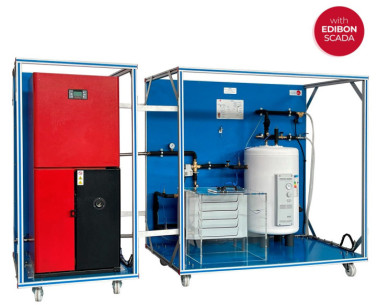
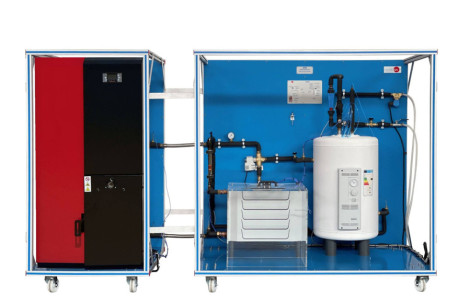
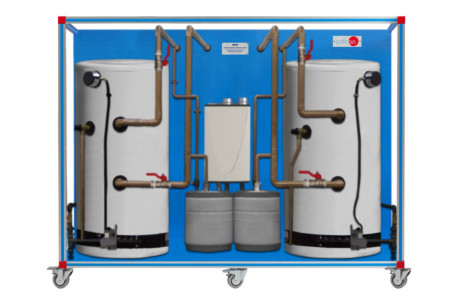
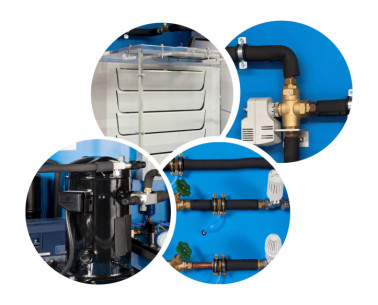
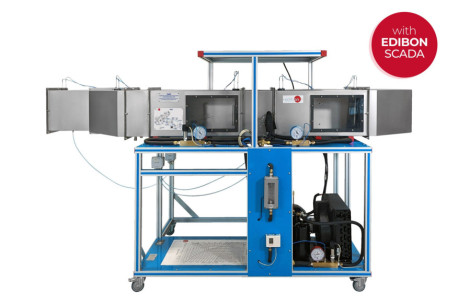
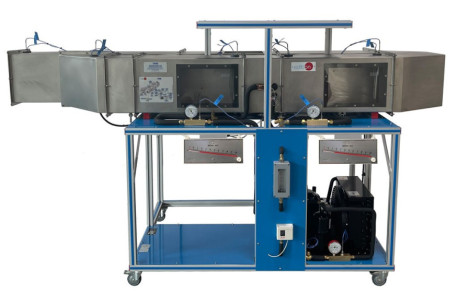
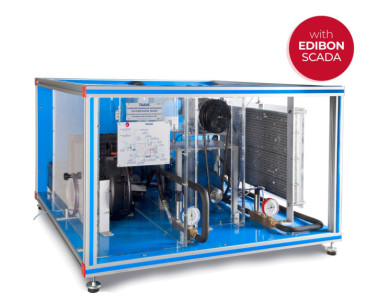
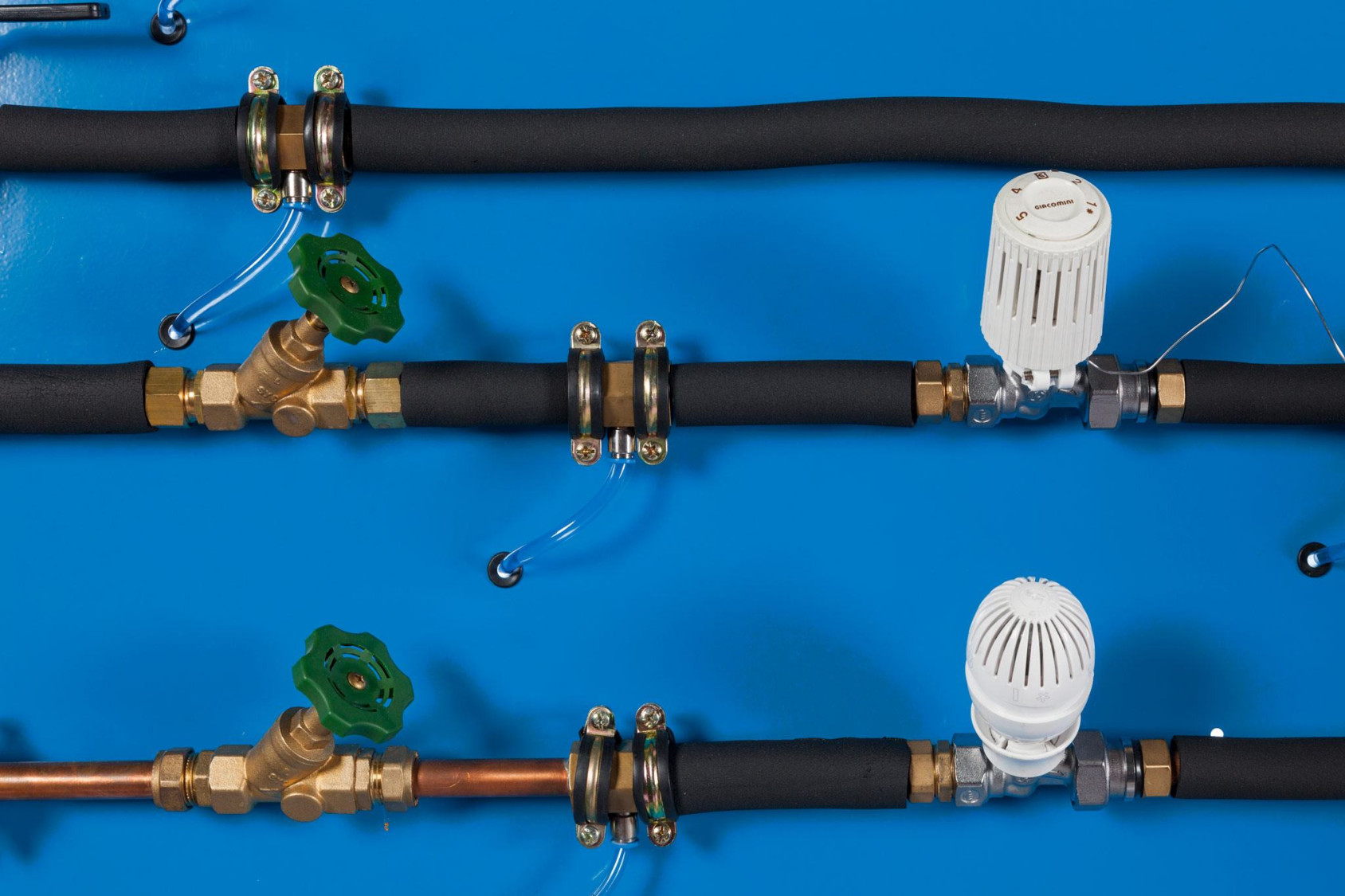
Unit details

COMPUTER CONTROLLED UNIT TO STUDY THE EFFICIENCY OF A HEATING SYSTEM - TEHSC

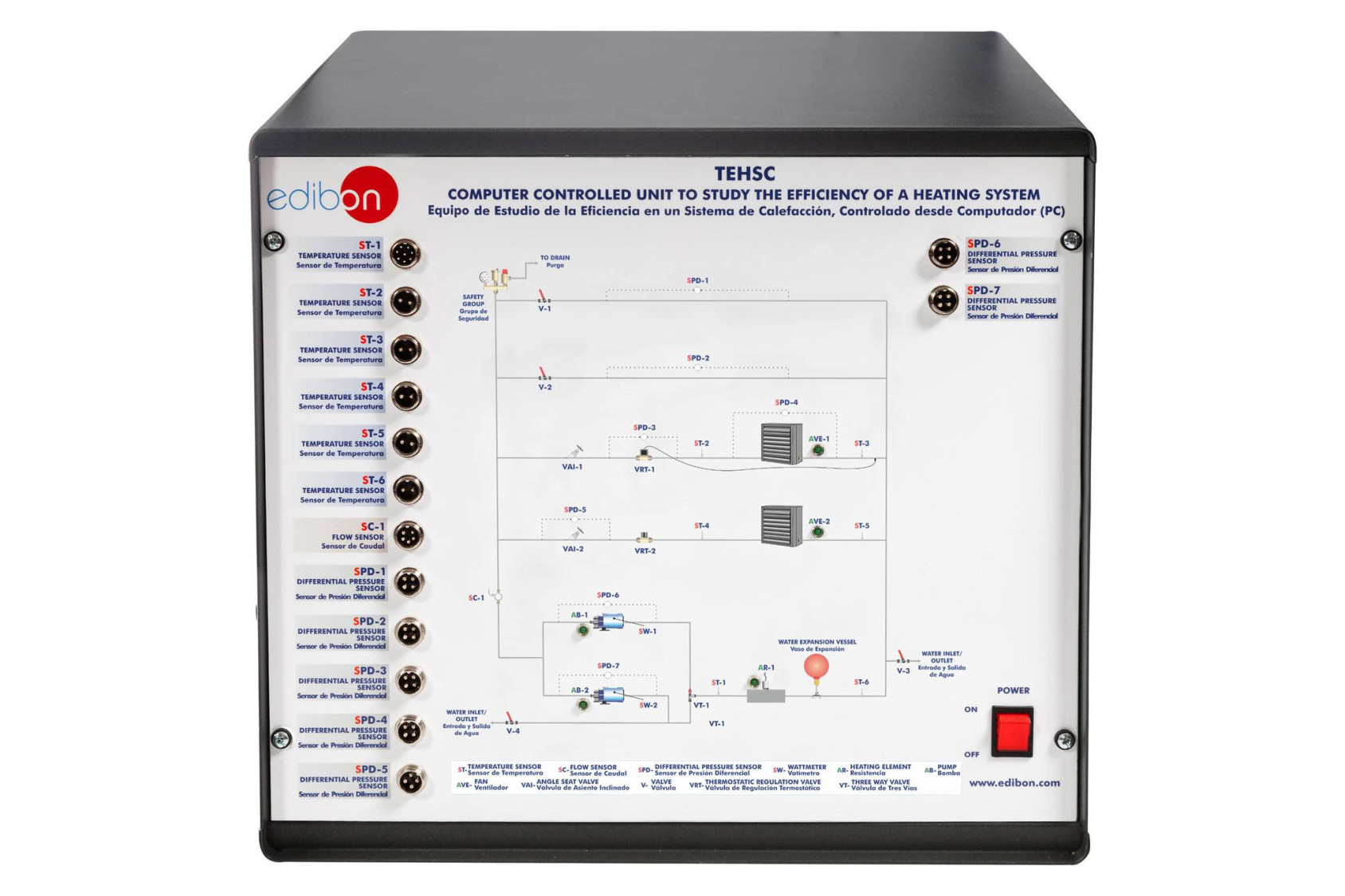
TEHSC/CIB. Control Interface Box: The Control Interface Box is part of the SCADA system

COMPUTER CONTROLLED UNIT TO STUDY THE EFFICIENCY OF A HEATING SYSTEM - TEHSC

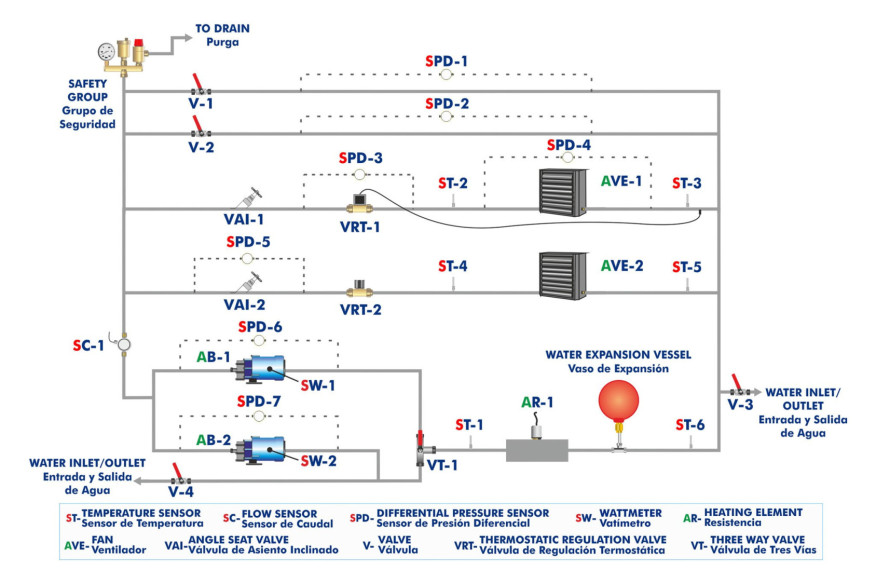
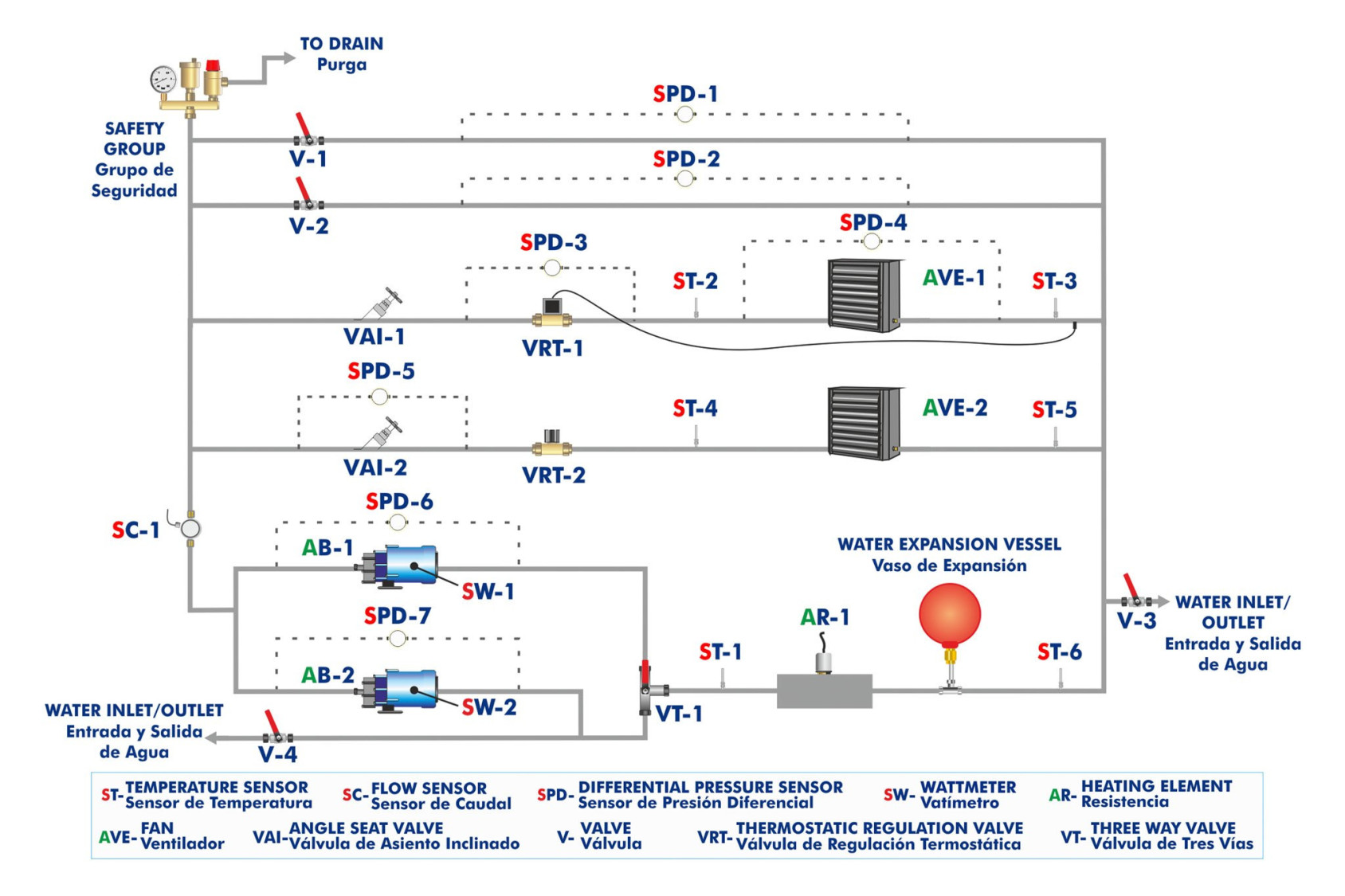
Process diagram and unit elements allocation

COMPUTER CONTROLLED UNIT TO STUDY THE EFFICIENCY OF A HEATING SYSTEM - TEHSC

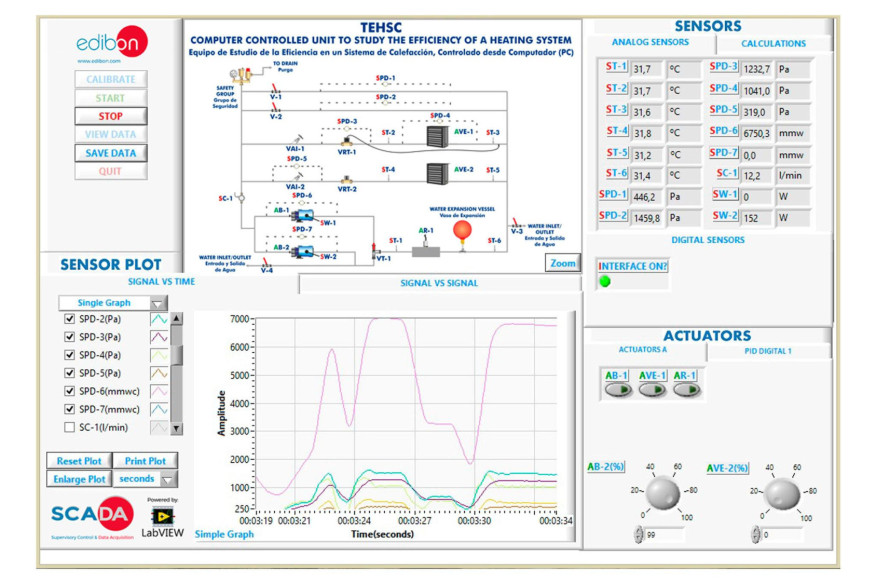
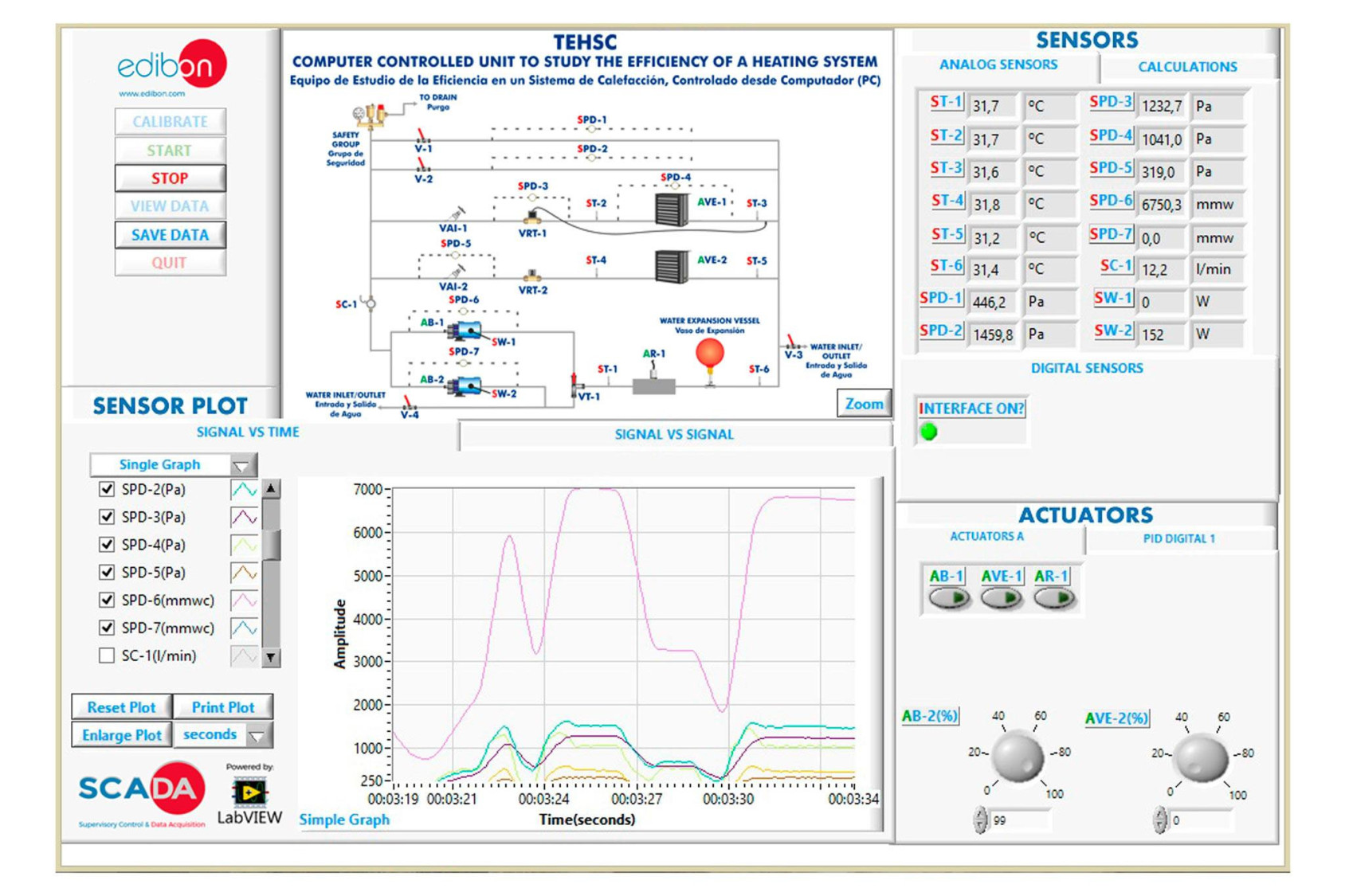
TEHSC/SOF. TEHSC Software. Main Screen

COMPUTER CONTROLLED UNIT TO STUDY THE EFFICIENCY OF A HEATING SYSTEM - TEHSC

革新的なシステム

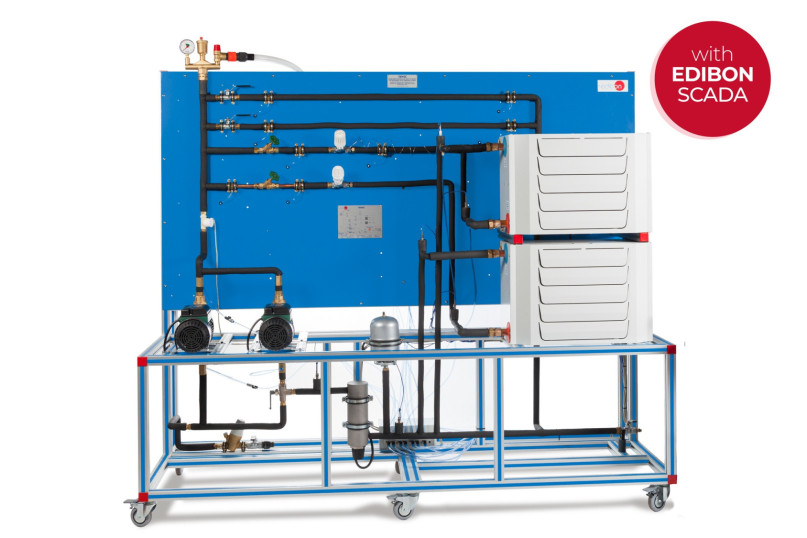
The Computer Controlled Unit to Study the Efficiency of a Heating System, "TEHSC", has been designed by EDIBON to study the operation and efficiency of hot-water heating installations, allowing the analysis of pressure losses, flow distribution, heat transfer, energy consumption, and the performance of the main components involved in these systems.

一般的な説明を表示

関連ニュース

概要

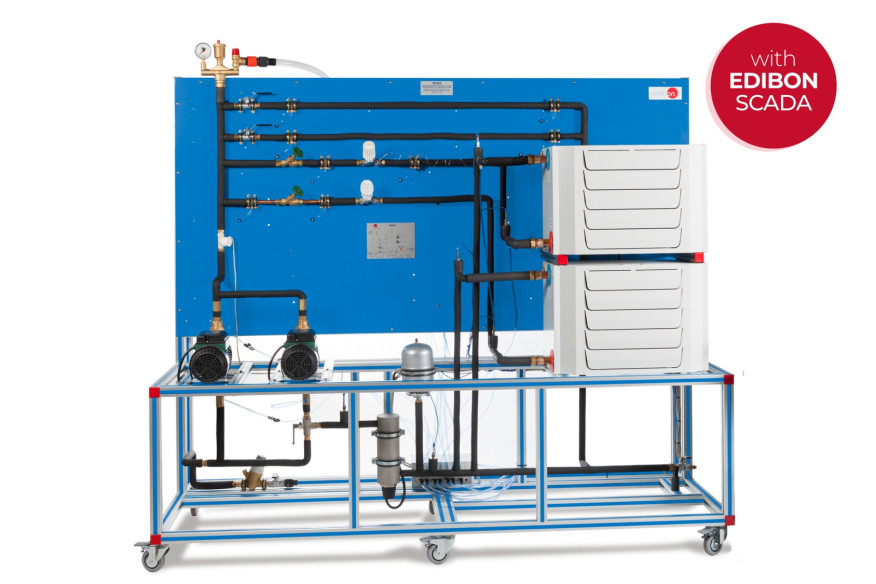
The Computer Controlled Unit to Study the Efficiency of a Heating System, "TEHSC", has been designed by EDIBON for the experimental study of closed-loop hot-water heating systems. The unit enables the analysis of the hydraulic and thermal behavior of a real heating network, facilitating the understanding of the parameters that determine energy efficiency and the operation of the different components that make up the system.

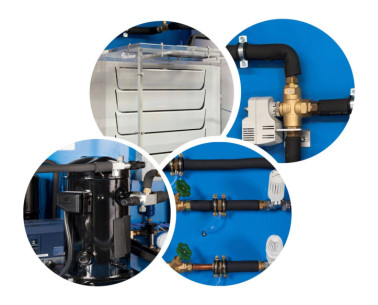
The unit consists of a closed hydraulic circuit formed by pipes of different diameters, valves, and accessories commonly used in real heating installations. It also incorporates a safety group compliant with DIN 4751 standards, allowing the study of the operating and protection conditions of this type of system.

Water circulation is provided by two heating pumps, one of them with variable speed control, both controlled from a computer. This configuration enables the comparison of different pumping strategies and the analysis of the influence of pump speed on the energy performance of the installation. Differential pressure sensors are included to determine the pressure losses generated by the pumps and by the different hydraulic components of the circuit.

Heat generation is achieved through an electric heater controlled from a computer. The system can operate either with two-position control and adjustable hysteresis or with PID control and adjustable parameters, enabling the comparative study of different thermal control strategies.

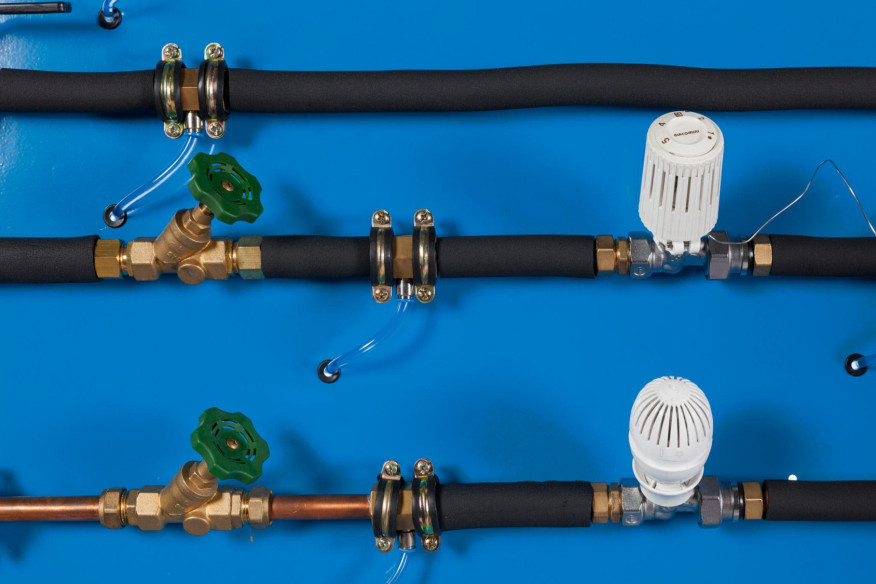
The heated water is distributed through several heating lines equipped with thermostatic valves and control valves commonly used in real heating installations. These arrangements allow the analysis of hydraulic behavior and the determination of pressure losses associated with each component through differential pressure measurements.

The unit also includes two fan-assisted convectors controlled from a computer, one of them with variable fan speed, enabling the study of heat transfer to the environment and the comparison of different operating conditions. Differential pressure sensors are also included for the analysis of pressure losses across these terminal units.

For energy performance evaluation, the unit incorporates a flow sensor, power sensors associated with the circulation pumps, and six temperature sensors distributed at key points throughout the system. These measurements allow energy balances, efficiency calculations, and the analysis of the overall performance of the heating installation.

This Computer Controlled Unit is supplied with the EDIBON Computer Control System (SCADA), and includes: The unit itself + a Control Interface Box + a Data Acquisition Board + Computer Control, Data Acquisition and Data Management Software Packages, for controlling the process and all parameters involved in the process.

演習と指導の慣行

マニュアルに含まれるガイド付き実習

  1. Study of the principles and fundamental elements of efficient heating systems.
  2. Determination and analysis of the load losses in heating pipes of different diameter.
  3. Determination and analysis of the load losses in the fittings and elements of a heating system.
  4. Study and comparison of the hydraulic power efficiency of circulatory heating pumps.
  5. Operation and compression of thermostatic valves. Comparison between different types of regulation.
  6. Sensors calibration.

より実用的な練習をして、ユニットを完成させる

  1. Two point temperature control systems, programmable PID and step response.
  2. Study and comparison of the hydraulic power efficiency of circulatory heating pumps.
  3. Study and comparison of the electric consumption of circulatory heating pumps.
  4. Energy balances in different elements of an installation.
  5. Study of heat transfer in convectors.
  6. Operation and compression of an inclined seat valve.

Other possibilities to be done with this Unit:

  1. Many students view results simultaneously. To view all results in real time in the classroom by means of a projector or an electronic whiteboard.
  2. Open Control, Multicontrol and Real Time Control. This unit allows intrinsically and/or extrinsically to change the span, gains, proportional, integral, derivative parameters, etc, in real time.
  3. The Computer Control System with SCADA and PID Control allow a real industrial simulation.
  4. This unit is totally safe as uses mechanical, electrical and electronic, and software safety devices.
  5. This unit can be used for doing applied research.
  6. This unit can be used for giving training courses to Industries even to other Technical Education Institutions.
  7. Control of the TEHSC unit process through the control interface box without the computer.
  8. Visualization of all the sensors values used in the TEHSC unit process.
  9. By using PLC-PI additional 19 more exercises can be done.
  10. Several other exercises can be done and designed by the user.

品質

アフターサービス

リクエスト情報