AEL-CPSS-01S 智能电网系统,包括发电、输电、配电和负荷,配备SCADA

SMART GRID POWER SYSTEM WITH POWER GENERATION, TRANSMISSION, DISTRIBUTION AND LOADS, WITH SCADA - AEL-CPSS-01S

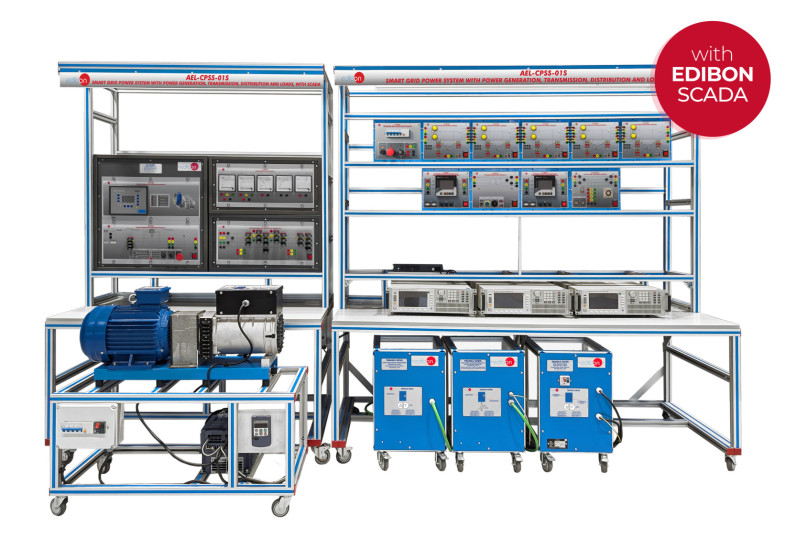
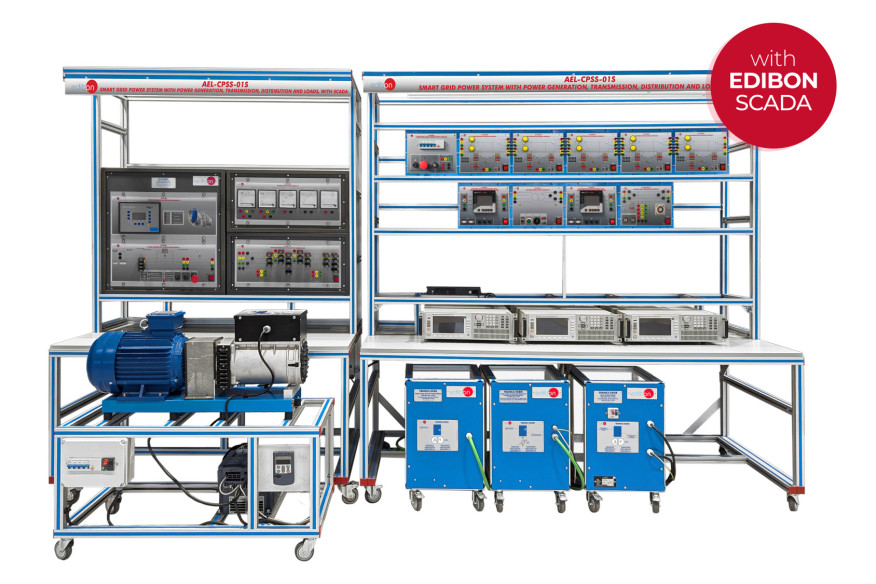
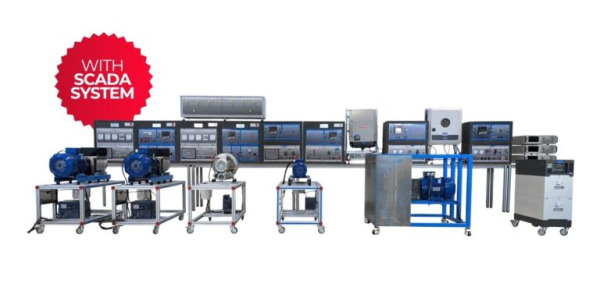
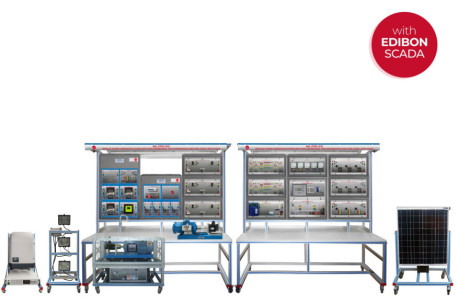
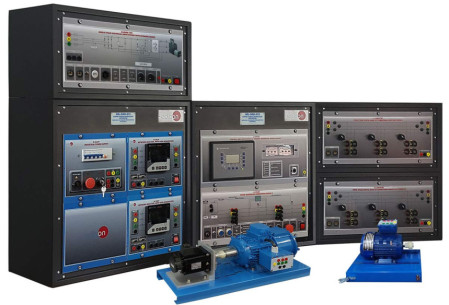
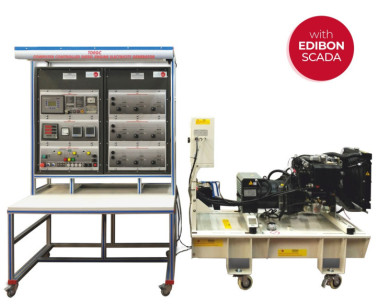
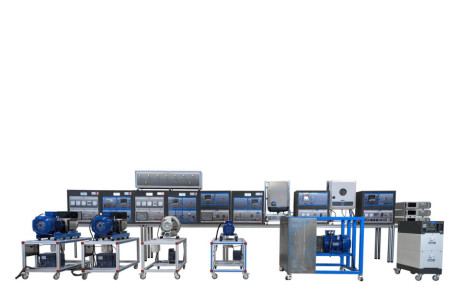
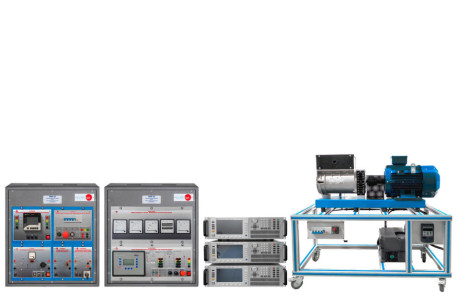
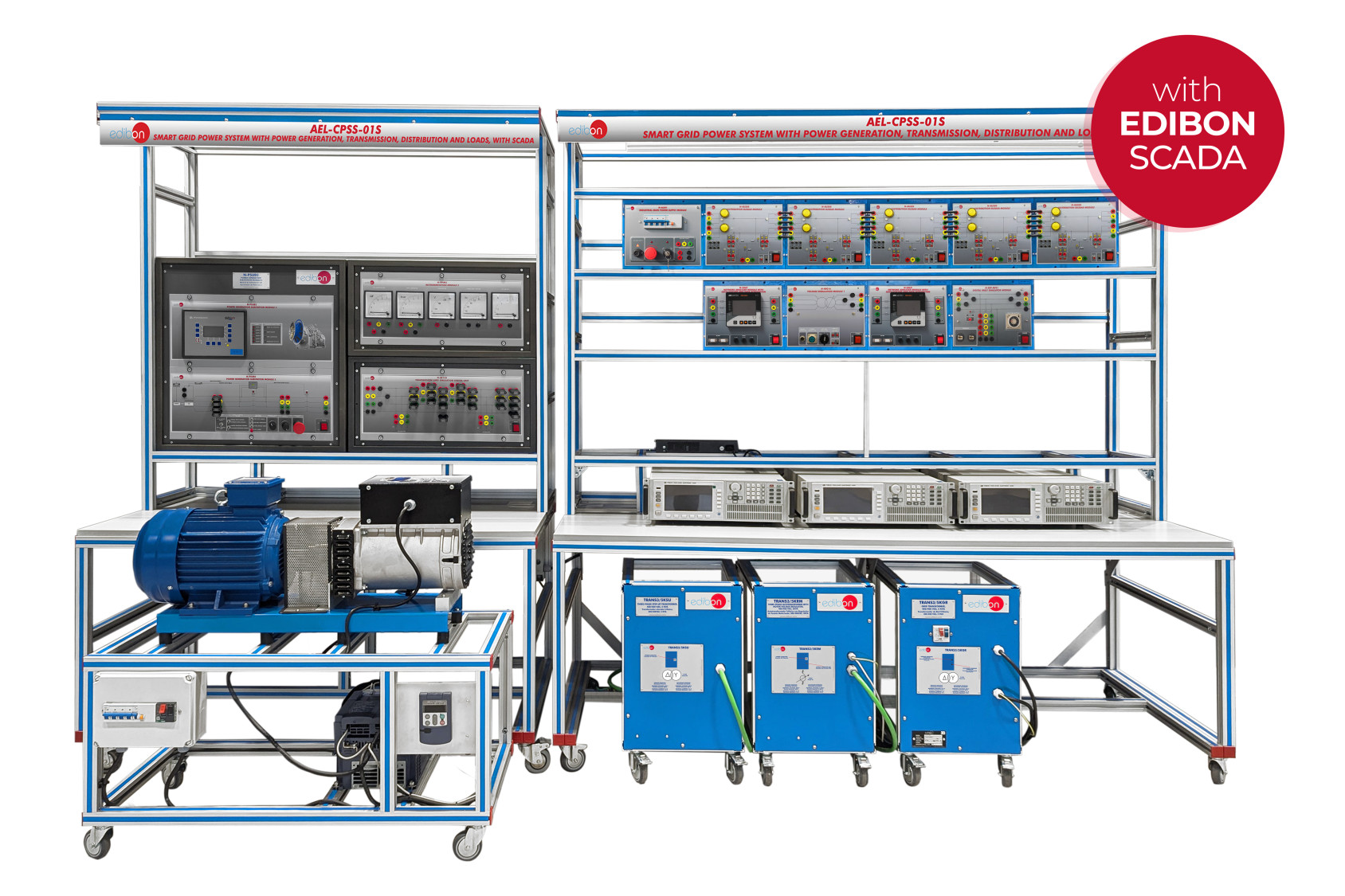
Unit: AEL-CPSS-01S. Smart Grid Power System with Power Generation, Transmission, Distribution and Loads

SMART GRID POWER SYSTEM WITH POWER GENERATION, TRANSMISSION, DISTRIBUTION AND LOADS, WITH SCADA - AEL-CPSS-01S

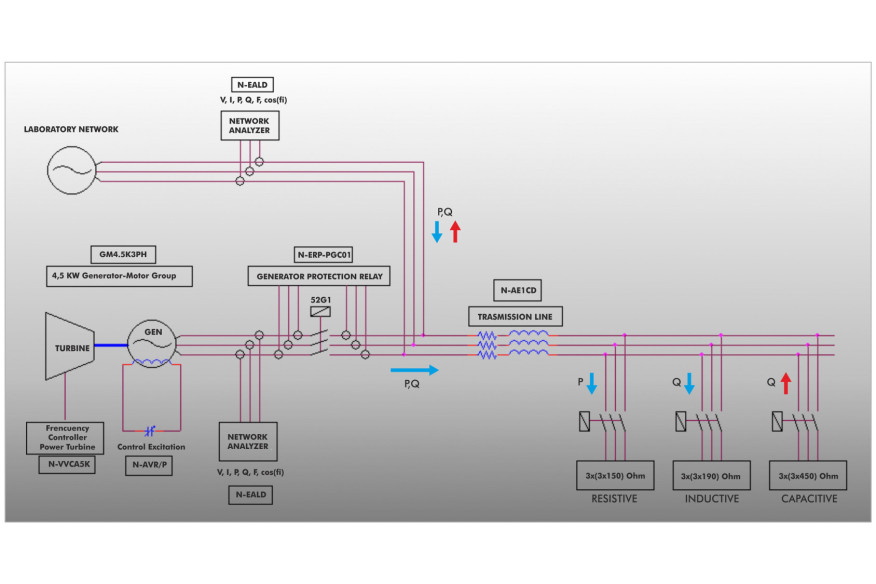
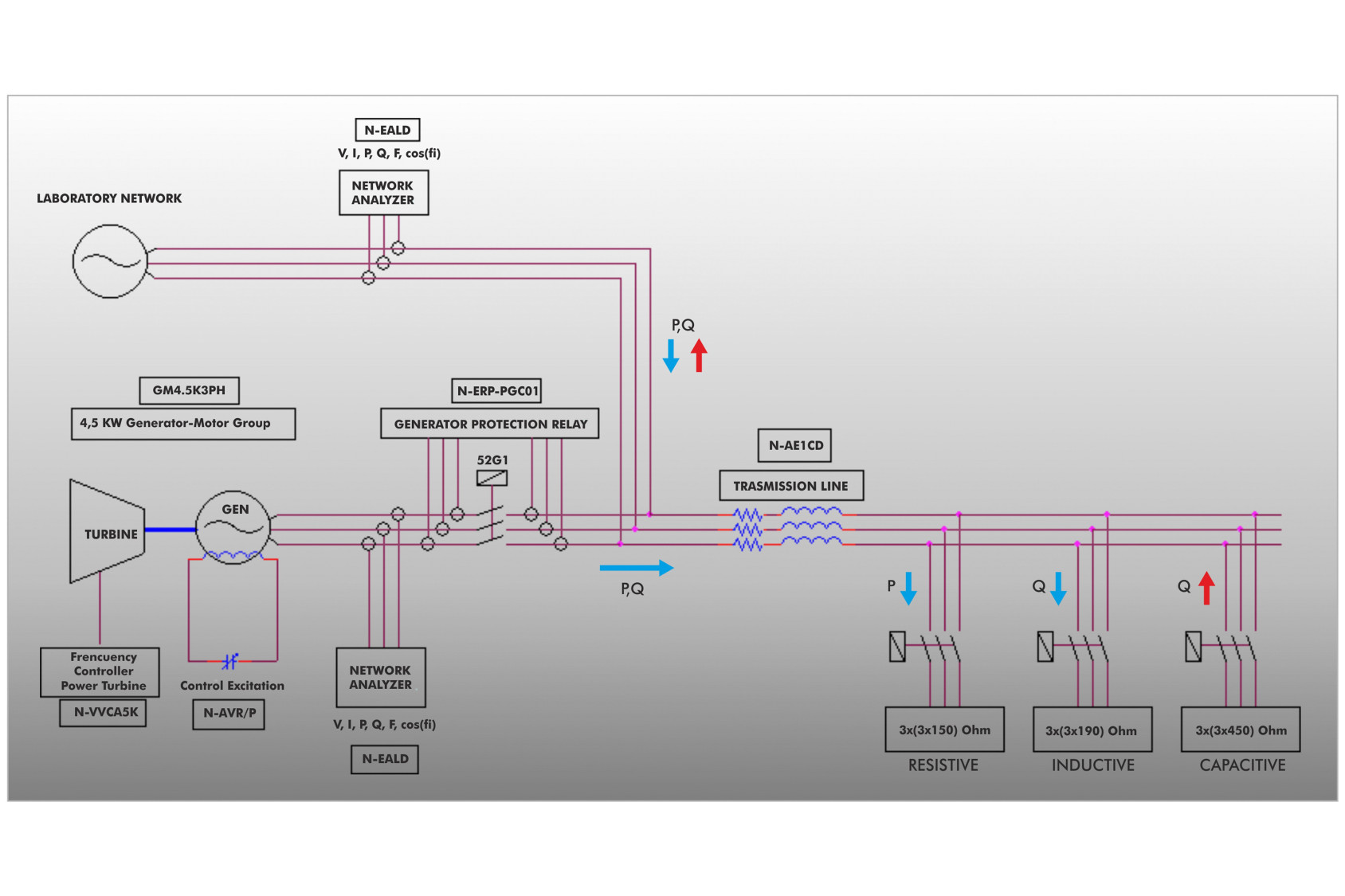
Process diagram and unit elements allocation

SMART GRID POWER SYSTEM WITH POWER GENERATION, TRANSMISSION, DISTRIBUTION AND LOADS, WITH SCADA - AEL-CPSS-01S

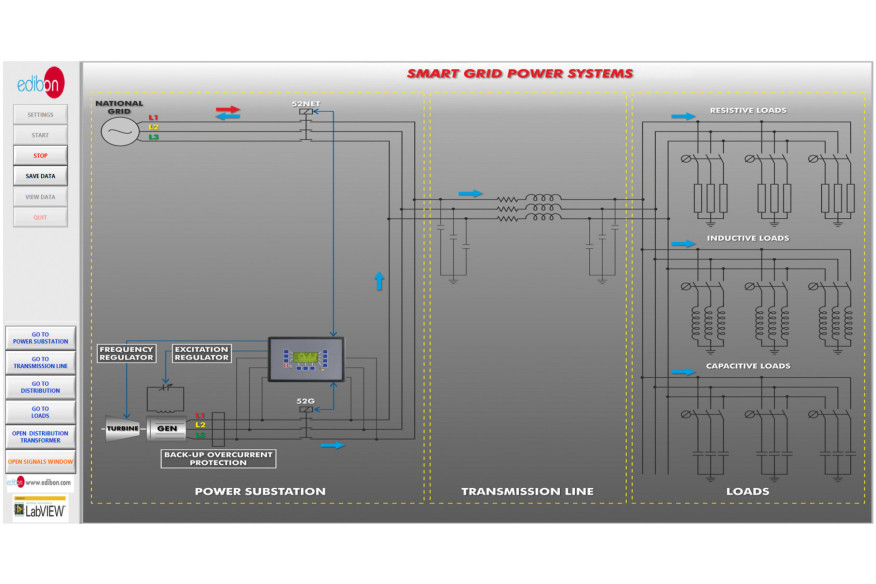
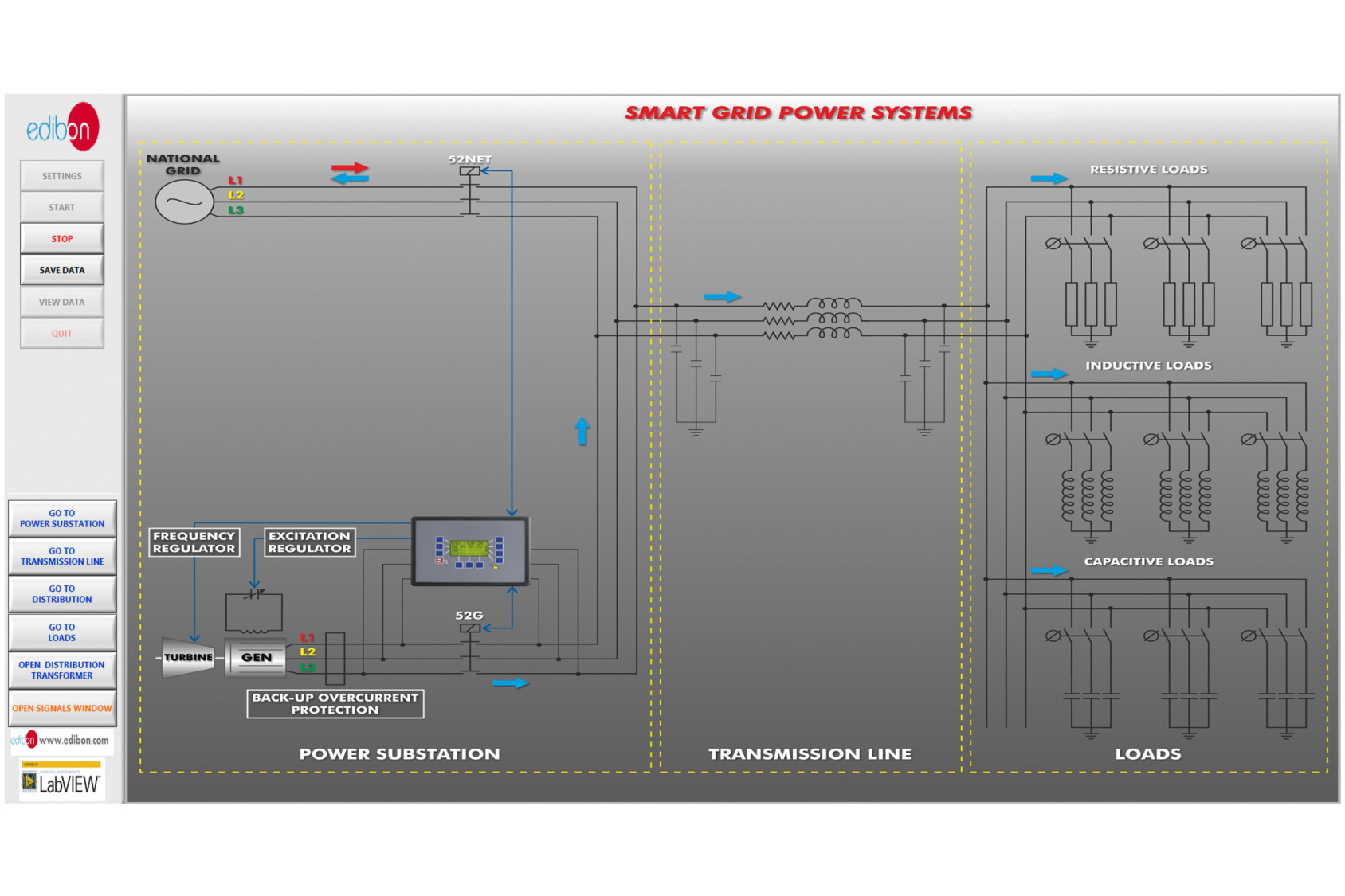
AEL-CPSS-01S/SOF. AEL-CPSS-01S Software. Main Screen

SMART GRID POWER SYSTEM WITH POWER GENERATION, TRANSMISSION, DISTRIBUTION AND LOADS, WITH SCADA - AEL-CPSS-01S

創新系統

The Smart Grid Power System with Power Generation, Transmission, Distribution and Loads, with SCADA, "AEL-CPSS-01S", has been designed by EDIBON for the comprehensive study of the behavior of electric power systems, allowing the experimental analysis of phenomena such as power flow, system regulation, stability, and the operation of electrical networks under real operating conditions.

查看一般說明

相關新聞

一般說明

The Smart Grid Power System with Power Generation, Transmission, Distribution and Loads, with SCADA, "AEL-CPSS-01S", designed by EDIBON, enables the experimental study of the overall behavior of electric power networks by reproducing, at laboratory scale, the structure and operation of a real electrical grid. Through this application, users can analyze in an integrated way the processes of generation, transmission, distribution, and consumption of electrical energy, as well as the electrical phenomena associated with their operation.

The application facilitates the understanding of fundamental concepts in electrical engineering, such as power flow, voltage and frequency regulation, network stability, load sharing, and reactive power compensation. Thanks to its didactic design based on real electrical components, users not only study these phenomena from a theoretical perspective but can also observe their behavior under practical conditions, enabling more comprehensive and industry-oriented training. This makes the application a key tool for both university education and advanced technical training, as well as applied research.

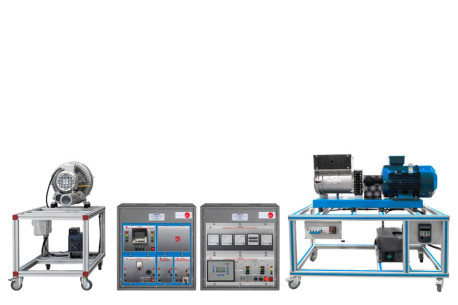
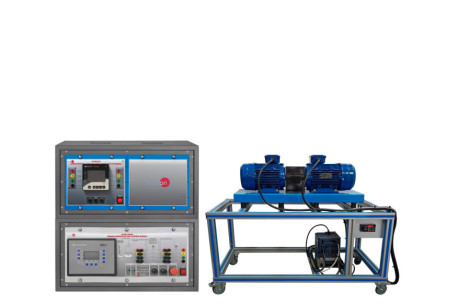
The application has been designed following the typical architecture of power systems, allowing each of its stages to be reproduced. The generation network is based on a synchronous motor-generator set (GMG4.5K3PH), whose speed and excitation control— managed through the generation substation module (N-PSUB3) enables the study of the relationship between active power and frequency, as well as between reactive power and voltage. This approach allows practical analysis of P–f and Q–V decoupling, as well as the generator’s behavior both in isolated operation and when operating in parallel with the grid.

The study of energy transmission is carried out using the line module (N-AE1CD), which incorporates configurable electrical parameters (resistance, inductance, and capacitance), allowing analysis of the influence of impedance on voltage drop, losses, and power transfer. The integration of grid, step-up, and regulation transformers (TRANS3/5KGR, TRANS3/5KSU, and TRANS3/5KRM), together with the voltage regulation module (N-REG16), makes it possible to reproduce real conditions of energy transmission and distribution, including voltage level control and compensation for voltage drops at different points in the network.

Energy distribution is structured through a busbar (N-BUS08 and N-BUS09), which allows the configuration of different network topologies and the execution of real operational maneuvers, such as opening and closing switches, busbar coupling, and load transfer. This design facilitates the study of electrical substation behavior and the influence of network configuration on power flow and operation.

Consumption analysis is carried out using configurable load banks, both passive (resistive, inductive, and capacitive) and electronic, enabling the study of different types of loads, their influence on power factor and reactive energy compensation, as well as their impact on network regulation and stability. These modules can be selected in different configurations, adapting to the educational objectives and specific needs of each installation.

The application incorporates a series of instrumentation elements based on analog measurement modules (N-PPIM2) and network analyzers with data acquisition (N-EALD), allowing monitoring of electrical variables such as voltages, currents, power, and power factor at different points in the application. This facilitates detailed analysis of energy flow, losses, and the dynamic behavior of the electrical elements.

Finally, integration with the SCADA system enables real-time monitoring, control, and data acquisition, providing advanced tools for variable visualization, time-based event analysis, and understanding network behavior under realistic operating conditions, both in isolated operation and when synchronized with the grid.

練習和指導練習

手册中包含的指导实践练习

  1. Stand-alone manual control of voltage and frequency of the generator.
  2. Stand-alone automatic control of voltage and frequency of the generator.
  3. Synchronization operations with the synchronous generator and the grid.
  4. Stand-alone operation with transmission line and loads.
  5. Automatic synchronization with the grid along with transmission line and distributed loads.
  6. Digital faults simulation in stand-alone operation.

Some practical exercises possibilities with the SCADA:

  1. Stand-alone manual control of voltage and frequency of the generator with the SCADA system.
  2. Stand-alone automatic control of voltage and frequency of the generator with the SCADA system.
  3. Automatic synchronization operations with the synchronous generator and the grid with SCADA system.
  4. Stand-alone operation with transmission line and loads with SCADA system.
  5. Automatic synchronization with the grid along with transmission line and distributed loads with SCADA system.
  6. Digital faults simulation in stand-alone operation with SCADA system.

与该单位进行更多实际操作

  1. Study of generation, transmission and distribution power systems.
  2. Analysis of the measurements of the power flows of the synchronous generator, transmission lines and loads.
  3. Analysis of the active and reactive power of the synchronous generator againts load variations.
  4. Automatic synchronization maneuvers of synchronous generator with the mains.
  5. Study of the synchronous generator in island operation mode.
  6. Study of the Micro-Grids.
  7. Study of the synchronous generator in grid parallel operation mode.
  8. Study of excitation/voltage regulation of synchronous generator in island mode.
  9. Study of turbine regulation (frequency control) in island mode.
  10. Study of excitation/voltage regulation of synchronous generator in parallel grid operation mode.
  11. Study of turbine regulation (frequency control) in parallel grid operation mode.
  12. Study of the power factor regulation of synchronous generator in parallel grid operation mode.
  13. Analysis and calculus of energy loses in transmission line according to the line electrical parameters.
  14. Capacitive effect influence in transmission lines.
  15. Analysis of the reactive energy excess in transmission lines.
  16. Analysis of the influence of one or more line losses in the electric system.
  17. Power factor compensation and the effects in the power system.
  18. Single-pole, two-pole and three-pole faults with and without impedance.
  19. Double busbar coupling maneuver.
  20. Operation logic with circuit breakers and disconnectors in a double busbar substation.
  21. Load sharing with different feeders.
  22. Busbar changeover without interruption.
  23. Manual control of generator voltage and frequency in isolated (island) mode.
  24. Automatic control of generator voltage and frequency in isolated mode.
  25. Synchronization operations of the synchronous generator with the grid.
  26. Operation in isolated mode with transmission line and loads.
  27. Automatic synchronization with the grid along with transmission line and distributed loads.
  28. Simulation of electrical faults in isolated mode.
  29. Manual control of generator voltage and frequency in isolated mode using the SCADA system.
  30. Automatic control of generator voltage and frequency in isolated mode using the SCADA system.
  31. Automatic synchronization operations of the synchronous generator with the grid using the SCADA system.
  32. Operation in isolated mode with transmission line and loads using the SCADA system.
  33. Automatic synchronization with the grid along with transmission line and distributed loads using the SCADA system.
  34. Simulation of electrical faults in isolated mode using the SCADA system.

Other possibilities to be done with this unit:

  1. Many students view results simultaneously. To view all results in real time in the classroom by means of a projector or an electronic whiteboard.
  2. Open Control, Multicontrol and Real Time Control. This unit allows intrinsically and/or extrinsically to change the span, gains, proportional, integral, derivative parameters, etc, in real time.
  3. The Computer Control System with SCADA allows a real industrial simulation.
  4. This unit is totally safe as uses mechanical, electrical and electronic, and software safety devices.
  5. This unit can be used for doing applied research.
  6. This unit can be used for giving training courses to Industries even to other Technical Education Institutions.
  7. Several other exercises can be done and designed by the user.

可用的类似设备

質量

售後服務

要求信息