FME25 Saluran Cairan, panjang: 1 m

FLOW CHANNEL, LENGTH: 1 M - FME25

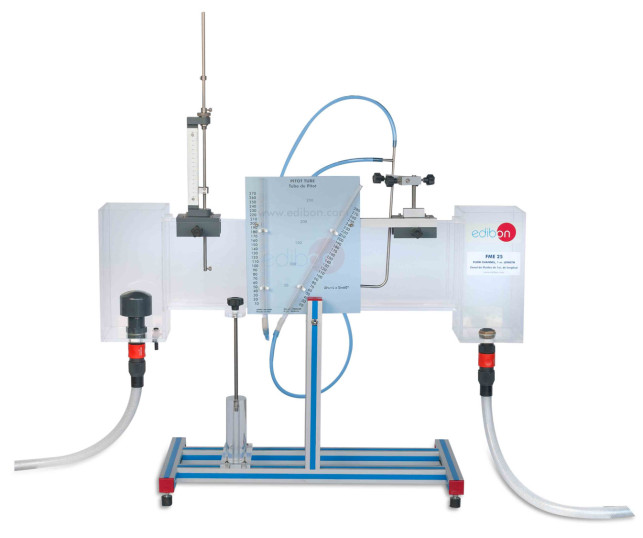
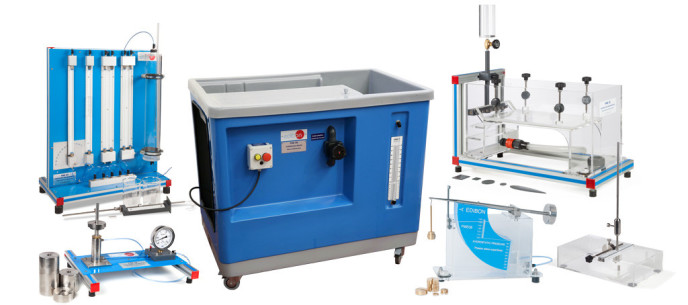
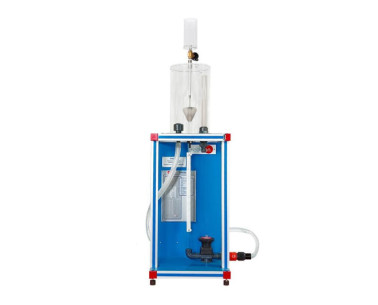
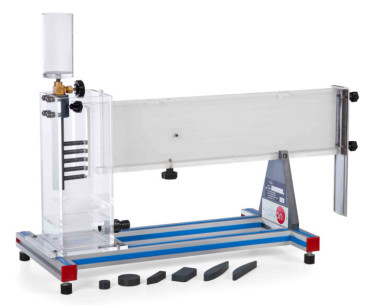
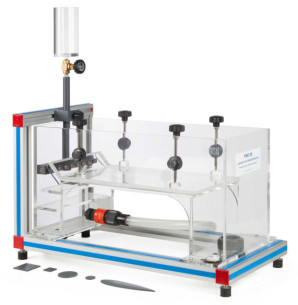
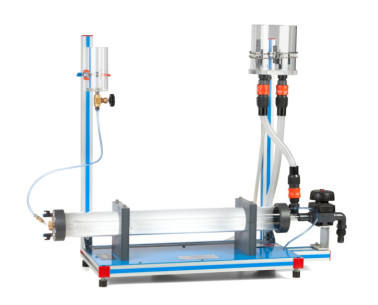
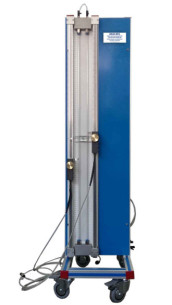
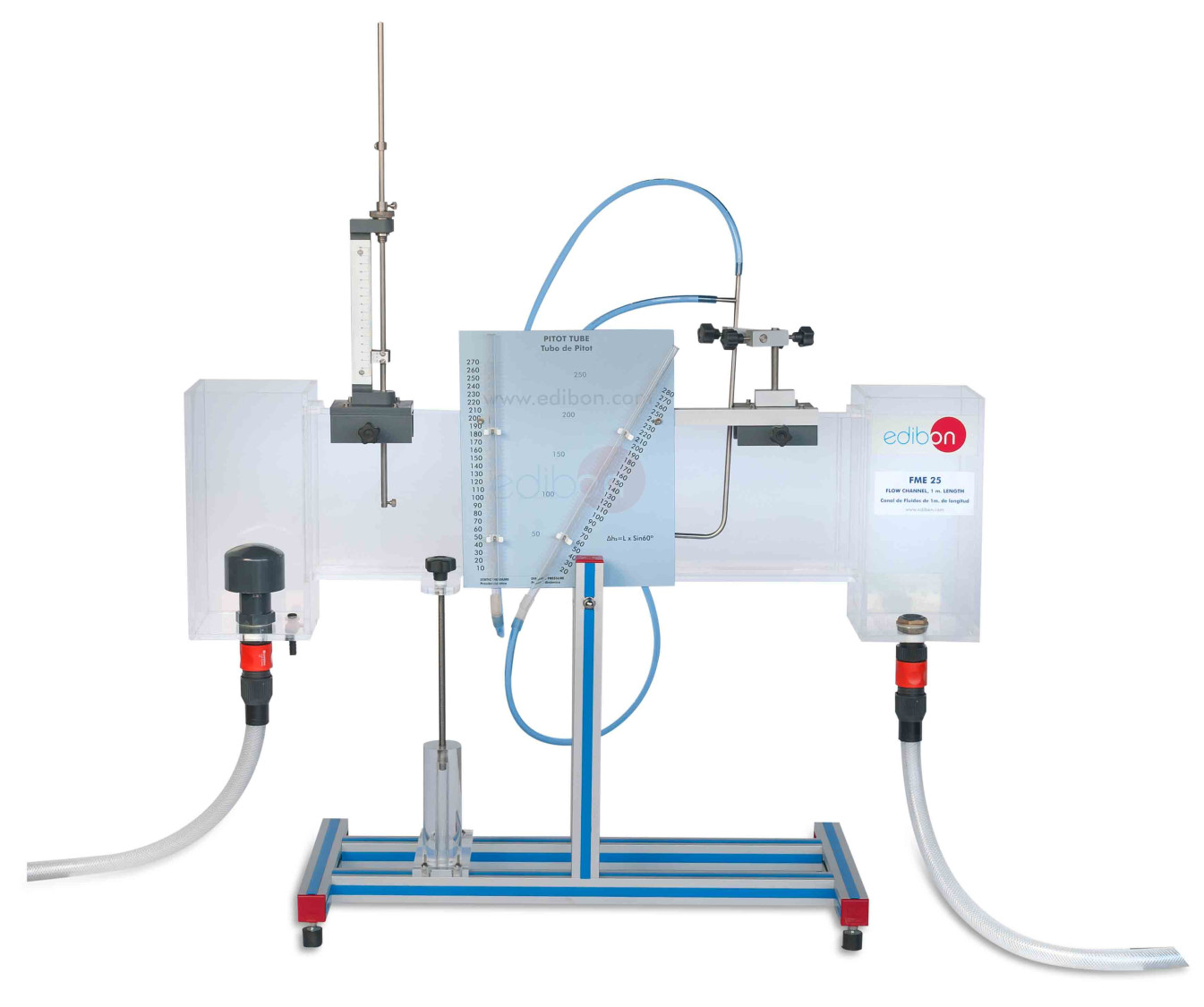
Complete FME25 Unit

FLOW CHANNEL, LENGTH: 1 M - FME25

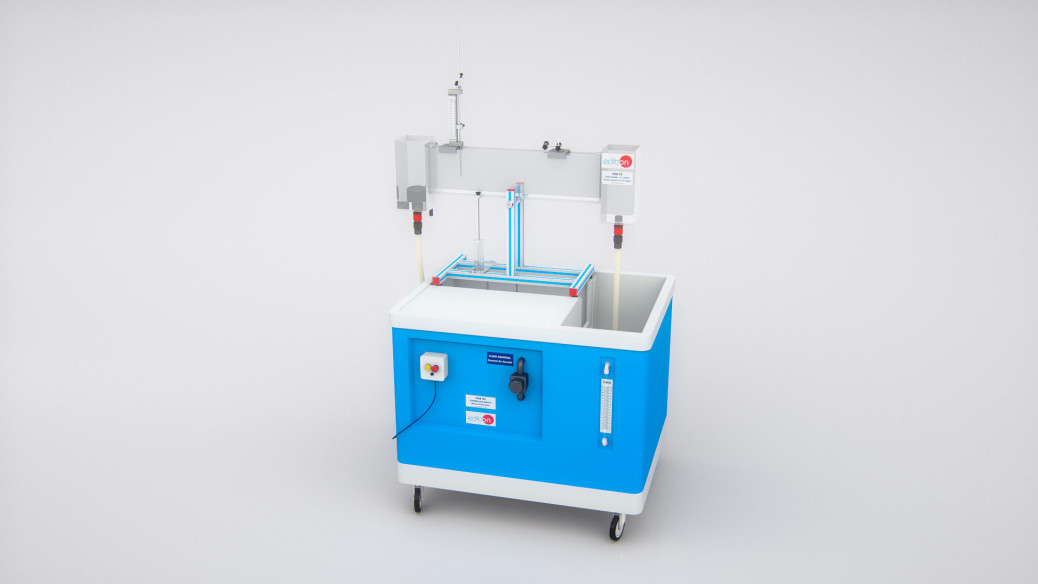
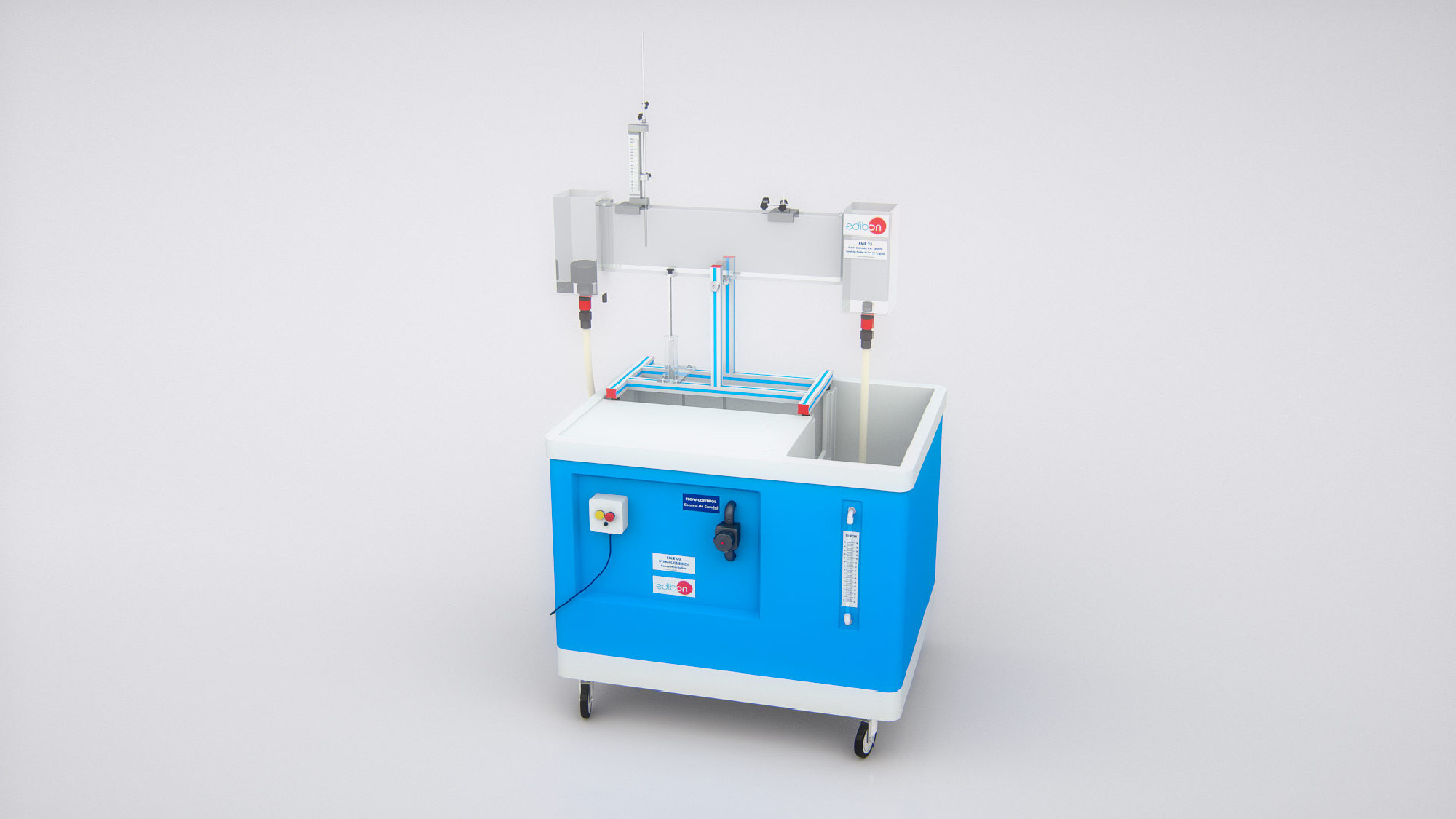
FME25 Unit with service unit FME00

FLOW CHANNEL, LENGTH: 1 M - FME25

SISTEM INOVATIF

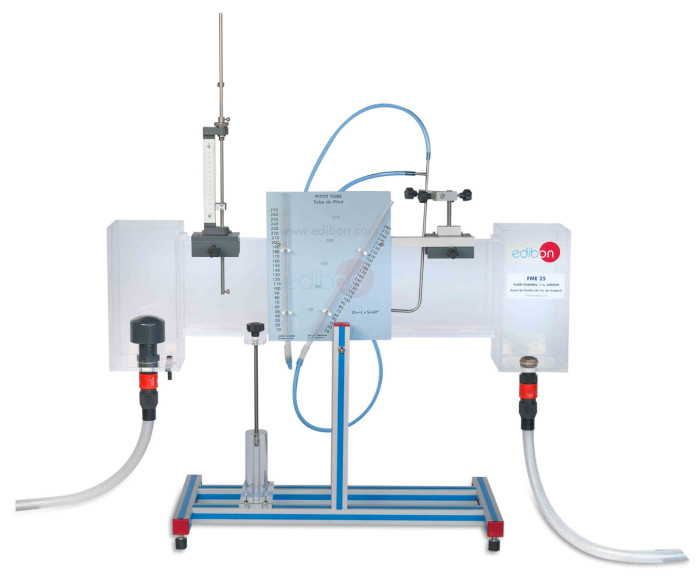
The Flow Channel, length: 1 m, "FME25", designed by EDIBON, allows to studying the behaviour of water flowing through a one-meter channel.

Lihat uraian umum

BERITA TERKAIT

GAMBARAN UMUM

The Flow Channel, length: 1 m, "FME25", designed by EDIBON, allows to studying the behaviour of water flowing through a one-meter channel.

It basically consists of a channel of rectangular cross section with transparent walls, through which water flows.

It has a mechanism that allows to vary the shape of the channel and it can directly be placed on the Hydraulics Bench.

Water is taken from the tank of the Hydraulics Bench (FME00) or the Basic Hydraulic Feed System (FME00/B) by means of a pump and, through the pipe, it is driven to the tank, where there is a settling of the flow. After this, the water circulates through the channel and returns to the storage tank. Therefore, the closed circuit is completed.

There is a mechanism that allows to adjust the slope of the channel.

LATIHAN DAN PRAKTEK PEDOMAN

LATIHAN PRAKTIS YANG DIANDAL TERMASUK DALAM PANDUAN

  1. Water head and velocity measurement along the channel.
  2. Flow measurement with sharp-crested weirs.
  3. Flow measurement with changes in the channel section: broad-crested weirs.
  4. Flow on overflow weirs.
  5. Flow control using floodgates.
  6. Level control using siphons.

LEBIH BANYAK LATIHAN PRAKTIS YANG AKAN DILAKUKAN DENGAN UNIT

  1. Study of the fundamental aspects of fluid flow.
  2. Measurement of water level and velocity along the channel.
  3. Measurement of flow rate using a Pitot tube.
  4. Determination of the static and total pressure.
  5. Use of hydraulic structures to control level.
  6. Study of the effects of gradual and sudden changes in cross section (energy losses).
  7. Use of a contraction to measure flow.
  8. Use of hydraulic structures to measure flow in an open channel.
  9. Study of flow patterns associated with flow around hydraulic structures.
  10. Comparison between the theoretical and experimental flow.

BARANG YANG DIBUTUHKAN

KUALITAS

LAYANAN PURNA JUAL

Meminta informasi